Cessna 172RG Rear RH Baffle Assembly
Cessna 172RG Rear RH Baffle Assembly
Blog Article
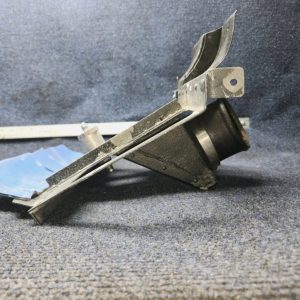
The Cessna 172RG Rear RH Baffle Assembly
Whether buyers search for a Cessna 172RG Rear Right-Hand Baffle, Cessna 172RG Engine Baffle, or Cessna 172RG Cooling Baffle, individual condition and aircraft compatibility should guide the purchase.
The Cessna 172RG Baffle Assembly works with surrounding seals and panels, while the Rear RH Engine Baffle should not be evaluated as an isolated piece.
A Cessna Engine Cooling Baffle, Cessna 172RG Engine Compartment Parts package, Aircraft Cooling Air Baffle, and Cessna 172RG Airflow Baffle contribute to controlling how cooling air moves around the installed engine.
Whether marketed as an Engine Cooling Baffle Assembly, Cessna Cutlass Cooling System Part, or Cessna 172RG Replacement Baffle, the component should receive individual inspection.
Why Exact Baffle Part Numbers Matter
The P/N 2455038-2 marking should be confirmed through stamped identification, labels, donor-aircraft records, packaging, photographs, and applicable Cessna parts information.
The buyer should determine whether the assembly is original, repaired, refurbished, fabricated, removed from an aircraft, or offered as an incomplete section.
Purpose of the Rear RH Engine Baffle
The rear right-hand baffle helps guide cooling air through intended paths around the engine installation rather than allowing it to escape through uncontrolled gaps.
A replacement component should restore the intended geometry without creating interference with cylinders, hoses, wiring, controls, exhaust parts, or cowling.
Cessna 172RG and Cutlass Compatibility
The offered assembly should be compared with the removed component, mounting points, adjacent baffles, cowling, and technical illustrations.
Mounting holes should not be enlarged or relocated casually to force alignment.
Engine Compartment Sheet-Metal Features
A visually similar sheet-metal component should not be substituted using unverified material or dimensions.
Unauthorized bending, hammering, heating, grinding, drilling, or trimming can damage the assembly and affect its relationship with adjacent components.
Aircraft Cooling Component Inspection
Both sides should be examined under suitable lighting, especially around bends, corners, mounting holes, stiffeners, and seal-retaining edges.
Unusual waviness or twisted geometry should be measured rather than dismissed as cosmetic.
Managing Gaps Around the Engine Baffles
Old seals may be useful as templates even when they are unsuitable for continued service.
Excessively stiff or incorrectly positioned material can interfere with cowling installation or fail to seal properly.
Corrosion Inspection and Prevention
Professional corrosion treatment helps preserve the remaining baffle within acceptable limits.
The cause of contamination should be corrected before a replacement baffle is installed.
Cessna Engine Baffle Mounting Condition
Detailed attachment-point inspection supports accurate repair planning.
Old hardware should not be reused automatically because it fits the existing holes.
Managing Engine Baffle Parts Inventory
Every supporting component should be identified by part number, position, condition, and required quantity.
Parts should be labeled and segregated according to condition and inspection status.
Avoiding Unnecessary Component Replacement
Missing seals, open gaps, loose cowling, or incorrectly installed neighboring components can affect airflow distribution.
Cleaning or replacing one baffle should not be presented as a guaranteed cooling improvement.
Evaluating Baffle Repair Value
The technician should consider access, labor, material, finishing, alignment, seals, and future maintainability.
Professional workmanship can extend component value while preserving cooling-system geometry.
Replacement Baffle Purchase Considerations
Damaged or incomplete baffles may still have repair-candidate, restoration, pattern, or reference value when described accurately.
The seller should disclose cracks, corrosion, distortion, missing sections, damaged holes, repairs, heat exposure, vibration damage, and storage conditions.
Inspecting the Baffle Before Purchase
A detailed review reduces unsuitable purchases and unexpected repair costs.
- Request clear photographs of every surface, marking, hole, bend, bracket, flange, crack, repair, corrosion area, and included component.
- Examine hidden surfaces, fastener areas, formed corners, seal-retaining edges, lower sections, and mounting points carefully.
- Inspect and photograph the assembly immediately after delivery before cleaning, stripping, drilling, bending, repairing, painting, or installation.
Shipping and Storing the Rear RH Baffle
Padding get more info should prevent direct contact with hard surfaces without trapping damaging moisture.
Responsible storage preserves the future usability and commercial value of the Cessna 172RG Airflow Baffle.
Professional Engine Baffle Installation
The baffle should be trial-fitted to confirm contour, hole alignment, bracket position, seal contact, engine clearance, and cowling relationship.
Adjacent baffles, seals, brackets, cowling surfaces, wiring, hoses, controls, and exhaust components should remain free from unresolved damage or interference.
Disciplined installation and documentation protect the Cessna 172RG Rear RH Baffle Assembly
Long-Term Rear Baffle Inspection
The assembly should receive attention after engine work, cowling damage, abnormal vibration, overheating indications, fluid leaks, or suspected impact.
Recurring cracks or loose attachments should prompt investigation of vibration, alignment, and supporting hardware.
Final Thoughts on the Cessna Cutlass Baffle
The Cessna 172RG Rear RH Baffle Assembly
Careful technical and commercial evaluation can reduce fitment errors, missing-component costs, cooling-system gaps, installation delays, and unexpected corrosion findings.
Whether the component is purchased for scheduled maintenance, corrosion replacement, cooling-system repair, accident recovery, restoration, or spare-parts support, transparent information and professional oversight provide the strongest foundation.
With transparent donor history, protected shipping, correct fitment, qualified repair planning, and effective seal installation, the component can support a professional Cessna 172RG project.
Report this page